Insights / Security Operations
Defend, Detect, Respond: SIEM Strategies for Tackling Cyber Threats
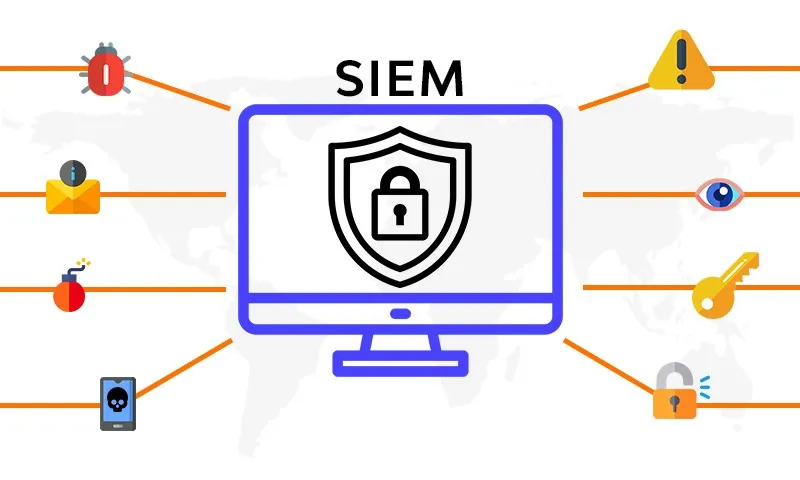
In the ever-evolving landscape of cybersecurity, Security Information and Event Management (SIEM) systems are pivotal in defending against a wide array of threats. By aggregating, correlating, and analyzing data from diverse sources, SIEM systems provide critical insights that enable organizations to detect, investigate, and respond to security incidents effectively. This article delves into how SIEM can be optimized to identify and scrutinize different types of cyber threats, including malware, phishing attacks, web application attacks, insider threats, and advanced persistent threats (APTs).
Unmasking Malware: Indicators and Investigation
Malware detection is critical to maintaining the integrity of an organization’s systems. Key indicators of malware include security alerts from antivirus programs and intrusion detection systems (IDS), unexpected system behavior such as unexplained crashes or slow performance, and suspicious file activity involving unauthorized creation, modification, or deletion of files. Additionally, network anomalies, such as unusual traffic patterns or communication with suspicious IP addresses, and unauthorized user access attempts, particularly with elevated privileges, are strong indicators of malware presence.
To investigate these threats effectively:
- Security Tool Logs (EDR/XDR): Utilize logs from Endpoint Detection and Response (EDR) or Extended Detection and Response (XDR) solutions to get detailed information on endpoint activities. EDR/XDR systems continuously monitor and collect data from endpoints to provide comprehensive visibility into actions such as file execution, network connections, and process creation.
- System and Network Logs: Analyze logs from servers, firewalls, and other network devices to trace the source of anomalous behavior. System logs can provide detailed records of system events, while network logs capture traffic patterns that help identify unusual activity.
- Endpoint Devices: Direct examination of affected devices can reveal signs of infection, such as the presence of malware files, altered system settings, or unusual processes running.
- Threat Intelligence Platforms: Leverage external sources of threat intelligence to correlate internal findings with known threat indicators. These platforms provide information on the latest malware trends and indicators of compromise (IOCs), which can help in identifying and mitigating threats more effectively.
Phishing Attacks: Catching the Bait Before It Hooks
Phishing attacks are a common yet potent threat, characterized by suspicious email artifacts, unusual sender addresses, misleading subject lines, and dubious message content. Phishing attempts often include suspicious URL links leading to malicious sites or unusual behavior when clicked, as well as attachments that prompt credential input or contain malicious scripts.
To combat phishing attacks:
- Proxy Logs: Analyze proxy logs to identify users who accessed malicious links. Proxy logs capture web traffic details, including URLs visited, which can help trace back to the source of the phishing attempt.
- DNS Logs: Review DNS query logs to detect resolutions of malicious domains. DNS logs can provide insights into whether users' devices attempted to resolve domains associated with phishing campaigns.
- EDR/XDR Logs: Endpoint logs from EDR/XDR solutions provide detailed information on user actions post-interaction with phishing emails. These logs can help trace activities such as file downloads, execution of malicious attachments, and any subsequent system changes.
Defending Against Web Application Attacks
Web application attacks can severely disrupt operations and compromise data integrity. Indicators include unexpected system behavior like performance degradation or crashes, suspicious network traffic connecting to known malicious IP addresses, and unauthorized changes to files or creation of unknown files. Security alerts from web application firewalls (WAFs), IDS, and other security solutions highlight detected threats.
To investigate web application attacks:
- Security Tool Logs (WAFs, IDS): Examine alerts from WAFs and IDS. WAFs monitor and filter HTTP requests to web applications, protecting against common threats like SQL injection and cross-site scripting (XSS). IDS can detect suspicious patterns indicative of an ongoing attack.
- System and Network Logs: System logs record application events, while network logs capture traffic to and from the web application. Analyzing these logs helps trace unauthorized access or modifications.
- Endpoint Devices: Investigate user devices interacting with compromised applications for signs of exploitation, such as malicious scripts or altered application behavior.
- Threat Intelligence Platforms: Use threat intelligence to correlate internal findings with known web application attack patterns and techniques, helping identify and mitigate threats more efficiently.
Unveiling Insider Threats: Trust but Verify
Insider threats pose a unique challenge as they originate from within the organization. Indicators of insider threats include unusual network traffic patterns or unexpected spikes in data transfers, unexplained system behavior such as crashes or performance issues, and unauthorized access attempts or unusual login patterns. Security alerts from IDS, Intrusion Prevention Systems (IPS), and antivirus solutions can flag potential insider activities.
To investigate insider threats:
- System and Network Logs: Logs provide visibility into deviations from normal patterns, such as excessive data transfers or access to sensitive areas. Analyzing these logs helps identify suspicious activities.
- Security Tool Alerts and Reports: Alerts from security tools can indicate potential insider threats, such as attempts to access restricted data or abnormal login patterns.
- Endpoint Devices: Examination of devices used by insiders can reveal signs of compromise or unauthorized activities, such as the presence of unauthorized software or altered system configurations.
- User Account Activities: Monitoring login attempts, access patterns, and changes in user behavior is crucial. SIEM systems can correlate these activities to identify potential insider threats, such as employees accessing data outside their typical scope of work.
Battling Advanced Persistent Threats (APTs)
Advanced Persistent Threats (APTs) are sophisticated and targeted, often going undetected for extended periods. Indicators include connections to suspicious IP addresses, abnormally high volumes of traffic, particularly during off-hours, beyond work hour access logs, and unauthorized creation of new administrative accounts.
To investigate APTs:
- Network Traffic: Analyze network communications to identify suspicious patterns. This includes monitoring for unusual outbound traffic, which may indicate data exfiltration.
- Access Logs: Examine access logs for unauthorized or unusual activities, such as access attempts outside normal working hours or from unexpected locations.
- OS Logs: Operating system logs provide detailed information on new processes, connections, and user activities. Scrutinizing these logs helps identify signs of APT activity.
- Contact Server Owner/Support Teams: Collaboration with server owners or support teams is essential for deeper insights and effective containment measures. These teams can provide context about normal operations and help identify anomalies.
In today's rapidly evolving threat landscape, SIEM systems are not just tools but vital components of a robust cybersecurity strategy. They provide continuous monitoring, detailed logging, and intelligent correlation of events, which are essential for early detection and swift response to security incidents. By leveraging the full potential of SIEM, organizations can stay ahead of cyber threats, ensuring minimal impact and expedited recovery. The proactive use of SIEM systems transforms raw data into actionable intelligence, empowering security teams to protect their infrastructure with precision and effectiveness.
As we navigate this complex digital era, one critical question remains: Are you fully harnessing the power of SIEM to secure your organization against the relentless tide of cyber threats?
Originally published on LinkedIn · May 27, 2024